
What does community-first growth look like for Kansas?
Kansas has a long history of investing in the infrastructure that supports its communities and drives economic growth. New technologies can bring significant opportunities to the state, but that growth must not come with increased costs or new burdens for families.
Responsible development
Data centers come with real benefits for communities when they are developed responsibly and in a way that puts community benefits front and center. That means:
-
Ensuring Meaningful Community Input
Residents should have a voice in shaping the protections designed for their community.
-
Protecting Local Resources
Water use and environmental impacts are evaluated against the design and operating plans.
-
Utilizing Advanced Tech Innovations to Recycle and Conserve Water
Closed-loop cooling systems reuse water, reducing day-to-day use to a level comparable to that of an office building.
-
Creating Local Jobs and Expanding Opportunity
Projects should include specific commitments to hiring, workforce training and community investment.
-
Committing to Transparency
Project assumptions, public costs, and expected benefits should be available for review and clearly communicated.
-
Investing in Power Infrastructure to Strengthen the Grid & Lower Residents’ Energy Bills
Developers pay for the electricity their projects use and commit to funding required infrastructure upgrades. Kansas has new regulations to ensure costs are not passed onto local households and businesses.
-
Accountability, Always
Requirements must be closely monitored and enforced over time.
Data Centers, Explained
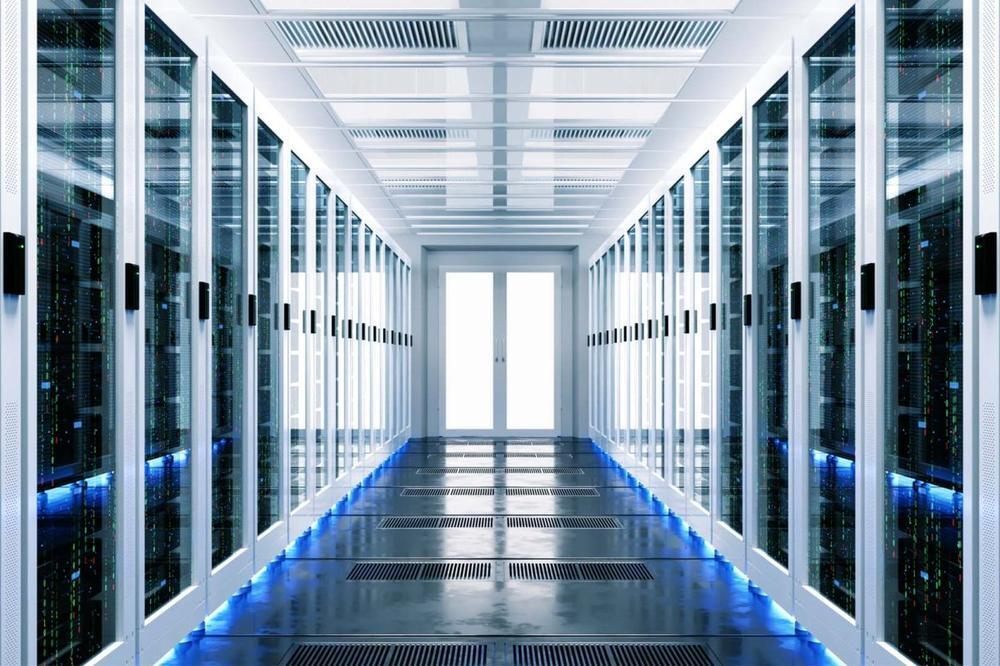
A data center is a secure, climate-controlled building that houses the computers and networking equipment that store, process and move digital information. It is an industrial building, often located near high-voltage power and fiber.
Data centers have supported everyday life for decades, long before the rise of artificial intelligence. Every time you check a bank balance, pay at the grocery store, join a telehealth visit or stream a show, a data center is working behind the scenes. Schools, 911 dispatch, farm equipment and small businesses rely on them.
Electricity Large users pay their own way
Modern data centers are being held accountable to pay their own way in Kansas. Our state set rules in November 2025 that require large-load customers like data centers to:
- Sign a long-term contract, with a minimum of 12 years
- Pay for at least 80 percent of its contracted demand every month, even when it uses less
- Post collateral equal to two years of minimum bills
- Pay all remaining minimum bills if it exits early
The result is that customers are not left covering the cost of serving a data center.
Jobs A multi-year build, then a skilled workforce
A large data center takes years to build and can employ thousands of electricians, pipefitters, ironworkers, operators and other tradespeople.
After construction, data centers employ hundreds in high paying jobs including technicians, IT support staff, and engineers. Many of these careers do not require a four year college degree.
There are also indirect jobs supported through ongoing contracts with suppliers, catering, service contractors, and related technology firms.
Water Advanced cooling design to limit water use
Water use depends almost entirely on how a data center is cooled. Modern closed-loop systems are filled once and recirculate the same water through sealed piping. After the initial fill, day-to-day demand is comparable to an office building.
Taxes What Senate Bill 98 does
Kansas Senate Bill 98 gives qualifying data centers a 20-year sales tax exemption, under strict conditions. A project must contribute to the community by:
- Investing at least $250 million
- Creating at least 20 new full-time jobs within two years of starting operations
- Committing to conserving and reusing water
- Buying its power from the local utility for 10 years
- Passing a state security review
Electricity is not exempt. If a company breaches its commitments and does not correct the problem, the state can require repayment and end the exemption.
Sound, light and land Designed to minimize community impacts
Data center sound is measurable, controllable and regulated by the county. Developers can cut it further with sound walls, berms, landscaping, and building orientation.
Modern campuses use shielded, downward-facing, warm-toned lighting that keeps light on the site and out of the night sky. They are designed to meet state and federal air and water regulations, and many include landscaping that blends into the surrounding community.